
Every year we meet walkers at the start line who say the same thing:
“I’m not sure I can do this.”
And every year, they finish.
That is because training for a Giant Walk is different.
The Giant Walk is not a race. There is no chip timing. No pressure. It is a supported endurance walking event designed to challenge you in the right way.
The route is flat but varied. Some sections are road but most follows canal and riverside paths. Possibly mud. Possibly sun. Maybe estuary wind or rain. You will be on your feet for hours. That is what you are preparing for.
You do not need to walk 42 km in training, but you do need to prepare your body and your mindset.
That is why we provide structured training guidance in advance. Our training guides help you build gradually, test your kit, manage your fuel and understand what endurance walking really feels like. You are not guessing your way to the start line.
Start simply. Two shorter walks in the week. One longer walk at the weekend. Build time on your feet gradually. Full marathon walkers should work towards 3 to 4 hours comfortably. Half marathon entrants should aim for 3 hours.
Short on time? Add weight to your rucksack. Extra water bottles safely simulate longer fatigue and build strength without five hour sessions.
Train in your event footwear. Break it in. Never walk in new trainers on event day. Test your socks. Practise layering. The morning will be cool. The afternoon may be warm. Know how your kit works together.
Look after your feet. Use hand gel or surgical spirit in the weeks before the event to keep skin clean and resilient without thick build up. Trim toenails. Deal with hot spots early.
Fuel really matters. Test snacks in training. Eat before you are hungry. Drink before you are thirsty. You can dehydrate without noticing.
Expect pace changes. High points. Tired legs. That is endurance.
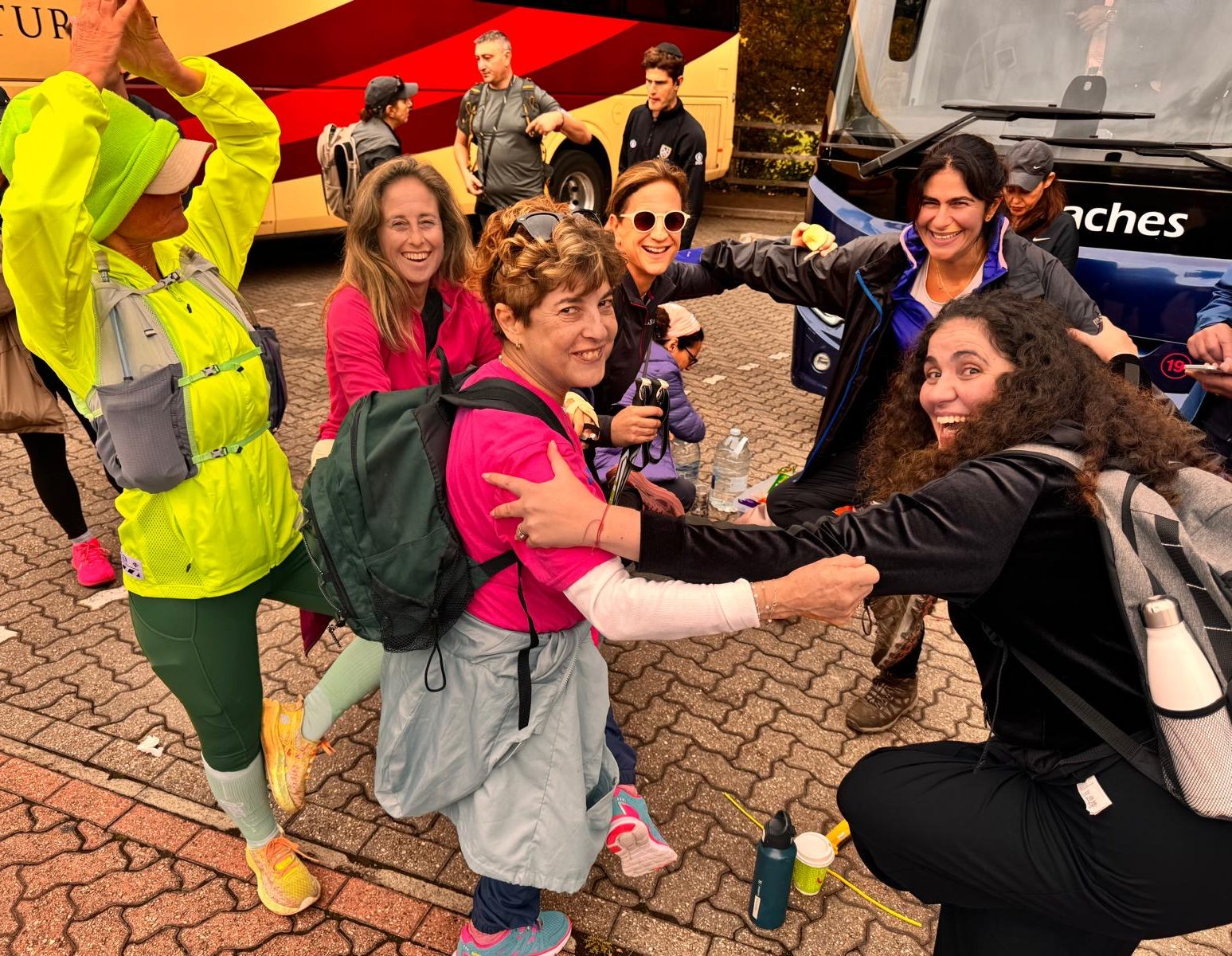
And remember, this is a fully supported walk. Detailed event guides and briefings are sent out just before the day so you know the route, timings, logistics and safety procedures. Mentors walk with you. Welfare checks take place at rest points. The bus meets you throughout. You are never alone.
The team know how to encourage you positively and safely.
And the best motivation? Walking for a good cause with friends. When your legs feel heavy, your purpose carries you forward.
If you want to build even more confidence and outdoor skills, consider joining the volunteer team. Supporting others is one of the best ways to grow yourself.
If you are unsure, start with 30 minutes today. Build from there.
If you have not booked yet, now is the time.
The training starts the moment you decide.
Book your place at giantwalk.org